
CEGENSA Delivers Gender Equality and Social Inclusion Training for CAMFED Association Leaders
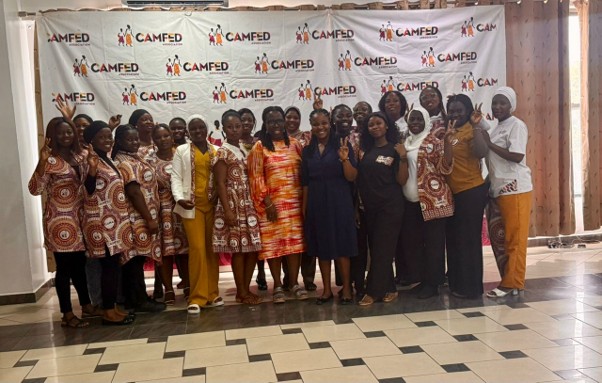
The Centre for Gender Studies and Advocacy (CEGENSA), University of Ghana, has successfully facilitated a comprehensive Gender Equality and Social Inclusion (GESI) training for 111 leaders of the CAMFED Association from across Ghana's 12 operational regions.
The one-day training, held on 23 May 2026 at Miklin Hotel in Kumasi, formed part of CAMFED Association's National Committee Review Meeting and sought to strengthen participants' understanding of gender equality, social inclusion, safeguarding, and digital safety.
The training was facilitated by CEGENSA's Director, Prof. Deborah Atobrah, and Senior Research Fellow, Dr. Abena Kyere, with administrative support provided by Ms. Regina Korkor Quarshie. Participants represented the Greater Accra, Ashanti, Eastern, Central, Western, Bono, Bono East, Northern, Savannah, North East, Upper East, and Upper West regions.
Strengthening Understanding of Gender Equality and Inclusion
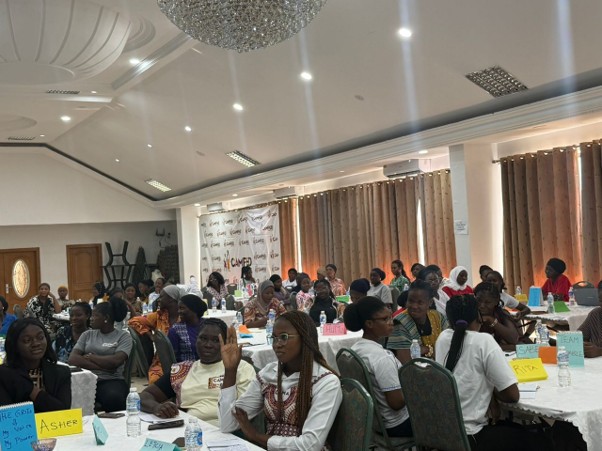
The training opened with sessions on gender, equity, and equality, where participants explored the distinctions between biological sex and socially constructed gender roles. Discussions focused on patriarchy, marginalisation, intersectionality, and the barriers that continue to create gender disparities in society.
Participants also examined the concepts of equality and equity and reflected on how overlapping social identities can influence access to opportunities and resources. Through interactive discussions and practical examples, leaders shared experiences from their communities and considered strategies for promoting inclusive development.
Promoting Gender-Transformative Leadership
A key component of the training focused on the Gender Equality and Social Inclusion Framework, covering critical domains such as access, participation, decision-making, systems, and well-being. Participants were introduced to the GESI Scale, which ranges from gender-blind approaches to gender-transformative interventions.
The session highlighted the importance of affirmative action as a mechanism for addressing historical and systemic inequalities. Discussions examined the role of legal frameworks, representation, and institutional commitment in advancing meaningful inclusion and equal opportunities for women and marginalised groups.
Addressing Sexual Harassment and Safeguarding
Recognising the importance of safe environments for women and girls, participants engaged in extensive discussions on sexual harassment, misconduct, abuse, and assault. The training explored different forms of harassment, including quid pro quo and hostile work or learning environments, while examining the legal frameworks available in Ghana for protection and redress.
Participants were encouraged to recognise signs of abuse, support survivors, and utilise available reporting mechanisms. The sessions reinforced the importance of creating institutional cultures that prioritise dignity, accountability, and safeguarding.
Understanding Institutional Dynamics and Harassment Prevention
Through a virtual session facilitated by Dr. Abena Kyere, participants examined the broader institutional ecosystems that can enable harassment. Discussions focused on issues such as bystander behaviour, gatekeeping, power imbalances, and the "saviour complex," all of which can contribute to unsafe environments.
Practical guidance was provided on documenting incidents, preserving evidence, seeking support, and reporting misconduct through appropriate channels. Participants actively shared experiences and discussed approaches to strengthening accountability within their organisations and communities.
Building Digital Safety and Inclusion
The final session addressed the intersection of gender and technology, with particular attention to the growing risks women and girls face online. Participants learned about emerging forms of online violence, including digital tracking, cyber harassment, and deepfake pornography.
The training provided practical tools for protecting personal information, identifying secure online platforms, and promoting digital literacy among young women. Participants reflected on the importance of equipping girls and young women with the knowledge and skills needed to safely navigate digital spaces.
Key Outcomes
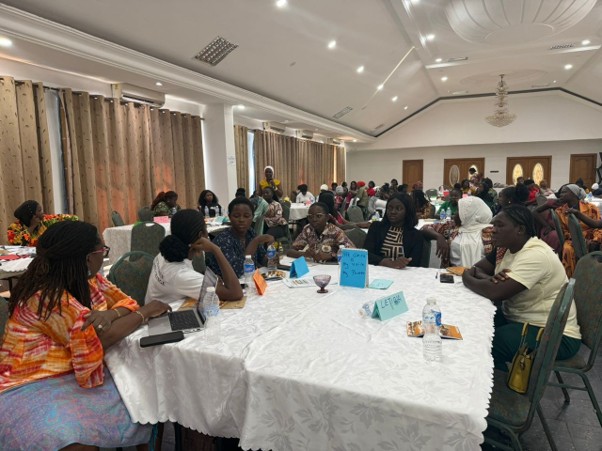
The training reinforced the need for CAMFED leaders to integrate gender-transformative approaches into their programmes and advocacy efforts. Participants also recognised the importance of affirmative action, safeguarding mechanisms, and digital literacy in advancing gender equality and social inclusion.
By equipping community leaders with practical knowledge and tools, the training contributes to strengthening local efforts to create safer, more inclusive, and equitable environments for women, girls, and marginalised groups across Ghana.
CEGENSA remains committed to partnering with institutions and organisations to advance gender equality, promote social inclusion, and build safer communities through research, advocacy, training, and capacity development.